Kitchen Svg Design Review
First Impressions of Kitchen Svg Design
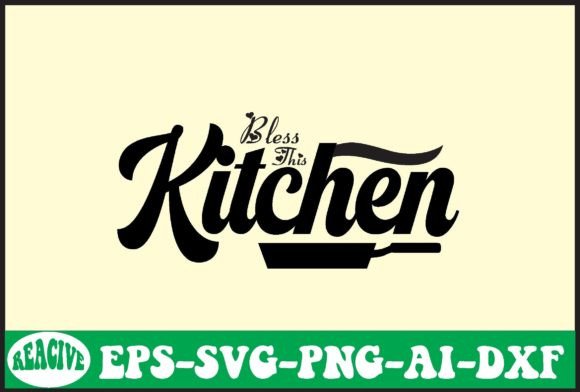
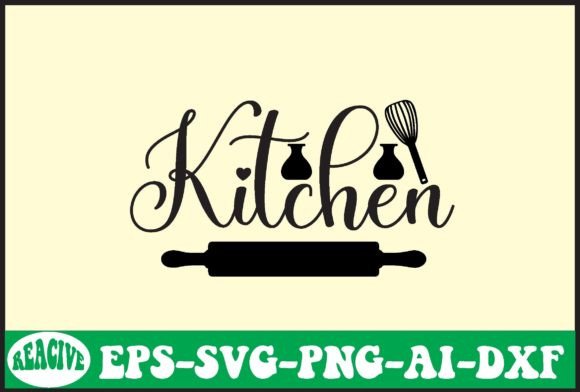
Opening the Kitchen Svg Design zip file, I immediately noticed the clean and organized structure. The inclusion of an AI file, SVG files, and a PNG gives me confidence in its versatility for both digital and embroidery use. The design itself feels warm and inviting, with a layout that suggests comfort and home life. It has a subtle charm that makes it ideal for projects like kitchen towels, aprons, or even personalized gifts.
The visual personality of this design is gentle but detailed enough to stand out without overwhelming the fabric. It seems to be crafted with a focus on practicality—something that would look great on everyday items but also holds enough character to elevate a handmade product. Its theme feels very much aligned with crafts and graphics that appeal to a broad audience, from hobbyists to small shop owners.
Real-Life Scenario: Embroidering a Custom Tote Bag
Let’s imagine using Kitchen Svg Design for a custom embroidered tote bag. This scenario is common for Etsy sellers and craft business owners looking to create unique, marketable products. The design’s layout works well on larger surfaces, making it suitable for tote bags where there's room for detail. I can see how it would add a personal touch to a gift or serve as a branded item for a boutique or handmade shop.
When stitching this design, I’d consider the fabric type. A medium-weight cotton tote would provide good stability and show off the design’s details nicely. However, if using a stretchy fabric like canvas or denim, I’d recommend adding a stabilizer to ensure the stitches hold up under tension. For commercial embroidery projects, stitch density might need adjustment depending on the fabric thickness and desired finish.
The design’s clarity in a printable mockup is strong, which is helpful for showing customers what the finished product will look like before committing to a purchase. This kind of transparency builds trust and enhances the customer experience, especially for those who are new to working with machine embroidery designs.
Where to Use Kitchen Svg Design with Caution
While Kitchen Svg Design is versatile, there are certain scenarios where extra care is needed. Small hoop sizes could limit the detail level, so I’d test it on scrap fabric first to ensure the entire design fits comfortably within the chosen hoop size. Textured fabrics may cause the design to appear uneven when stitched, so I’d suggest testing on similar materials before finalizing a project.
Thin or stretchy fabrics, such as those used in baby clothes or caps, may require additional support from a backing stabilizer. Dense stitch areas, especially around corners or decorative accents, could lead to puckering if not handled properly. For dark fabric backgrounds, checking thread color contrast is essential to maintain visibility and vibrancy in the finished product.
Design Impact on Visual Appeal and Product Value
The Kitchen Svg Design contributes to the visual appeal of any embroidery project by offering a cohesive and recognizable motif. Whether it's used on a holiday gift, sweatshirt embroidery, or nursery decor, the design adds a sense of warmth and familiarity that can make a product more desirable.
For craft business owners, this design can help establish brand consistency across merchandise, from tote bags to pillow covers. It also supports the creation of personalized gifts that feel meaningful and well-crafted. When paired with high-quality stitching and proper finishing, it can significantly increase the perceived value of a handmade product.
As an Etsy seller, using this design in listings can attract buyers looking for something unique yet relatable. Its simplicity and charm make it appealing to a wide range of customers, from young professionals to home decorators.
Embroidery Designer Notes for Kitchen Svg Design
Before using Kitchen Svg Design in a real project, I recommend testing it on scrap fabric to evaluate stitch density, thread colors, and overall appearance. Checking the design in black and white mockups helps assess how well it will translate on different fabric backgrounds.
Reviewing the digital embroidery file for any potential issues, such as overlapping layers or overly complex elements, is important. Confirming whether the design works for both personal and commercial projects is also crucial, especially if you plan to sell finished items or digital assets. Always check licensing terms before selling any products derived from the design.
Lastly, considering the right hoop size and using proper stabilizer can make all the difference in achieving a professional finish. These steps ensure that the final product looks polished and meets the expectations of both the creator and the customer.